Saturday, February 2, 2013

Inspiring Our Future Einsteins

                 Inspiring Our Future Einsteins

"It is the supreme art of the teacher to awaken joy in creative expression and knowledge."
Albert Einstein
As I was perusing the innumerable sites related to digital storytelling, it inspired me to use some of these tools in my class. Digital Story Telling Sites

I can increase listening skills, develop oral presentations, aid reading fluency and enhance writing in my students by utilizing some of these phenomenal ideas from other teachers.
                                                  

If there is an audience for my students outside the realm of the classroom, students will be more motivated, more prepared and have a better sense of purpose. Inspiring students by David Dogson
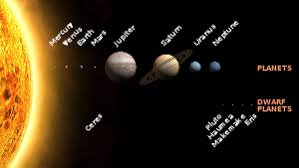


My students are presently engaged in an independent work project aside from the study of the moon. Students are writing planet reports using various sources. Once they have completed their reports, they can create a Power Point presentation to the class about what they learned.  Power Point for Kids Here is a sample of what my expectation will be from sites I found.  Power Point of Solar Systems by students   Student created Power Point on Planets


Another idea I found useful while searching various digital storytelling sites was videotaping book talks.   After my students read a book, they must discuss the book with me.  Since the implementation of the new curricular demands in my district  Common Core Standards and prepping for the Connecticut Mastery Tests, I don’t have enough time for this critical piece of Reader's Workshop.  Several parents have volunteered in my room, so I thought they could video record students giving a book talk. Then I could watch it at a later time.  In this way students will have the opportunity to discuss what they read and then I could use this as a tool to discuss summarizing.  I found this idea on Glogster. Students presenting book talks.   The teacher also used video recording to have students predict about a story they were reading. Great ideas for the classroom!

                                      
                                                           A Fable from YouTube

Finally, the class just completed writing fables after a unit of study on folktales, fairy tales and fables.  Since fables for the most part use animals as the main characters, students could make hand puppets of their characters. Their stories only have two or three characters.  Next, I would have students draw the setting.  Then I would video the students reading the story while they had other students use the puppets to act it out. This is a video of puppets acting out a story. This type of learning would definitely generate high interest and teach students the importance of writing fluency and sequencing in their writing.


Sunday, January 27, 2013

Young Learners

Searching through various wiki sites seems infinite.  Wiki, blogs and other social media will afford students far reaching experiences. Can you image the impact on young learners?

                                             Child Inventor  
Children today will becoming inventors, creators and powerful thinkers through their access to technology. Students will learn cooperatively and be able to share their dreams.  This will have a monumental impact on the world. Educators are shaping the future and using opportunities to broaden student's life.

Browsing through numerous wiki sites, I discovered a poetry wiki.  Although it was for older students and quite complicated, I think it could be easily adjusted to the lower grades.  Poetry Wiki


Continuing my trek in cyberspace I learned that Mrs. Ballweg's third grade class keeps tracking of their reading throughout the course of the year along with the genres they must read.  Mrs. Ballweg's class  This is useful because instead of having student's write things down they can keep track of it electronically.  In addition she offered a site for book talks which my students would thoroughly enjoy.

Lights, Camera, Action in Digital Media


Lights, Camera, Action!      

Exploring various digital story telling was thrilling.  kid movie is one creative idea.   There are so many tools available. How amazing it would be to experience this as a young student!   The options range from comic strips,
 
 
research reports, Helping Students Write The Best Research Reports Ever (Grades 4-8)to puppets,     and much more. 
     Digital storytelling has a way to inspire all students because it can be multisensory and utilize multiple intelligences. Kid video of a fable In order for students to create digital stories, they need to comprehend what they read.  Kid storytelling
     Is the purpose to retell a story they already know? On the other hand, students can think outside the box and create their own story. All these techniques involve higher order thinking skills which aligns with  NETS   and the  Common Core Standards.


Saturday, January 26, 2013

Being A Social Butterfly in Cyber Space

   
       The best way to keep well-informed is to read, write and interact with others in cyberspace. As I browsed various sites and subscribed to them, I felt overwhelmed by the amount of information.          
                                                                                          
      I realized as an educator, I must keep up with the latest trends educationally and share what I am learning with my class.  Human Brain Adapting to New Technology   If I am teaching

about Native Americans, I will have the ability to search online to find out what other

teachers are using for resources. It will inspire me to be more tech savvy and creative in my

teaching.   As I perused Ms. Lareau’s site, I put a tag on her Wampanoag video Plimouth/Wampanog Movie/Game  because I teach about the Wampanoag in third grade.   


There can be glitches with sites. What appears to be interesting may not be what is seems! In fact, I thought I found a site about Smart boards, but it turned out to be about equine nutrition. I don’t think this is part of the third grade curriculum!


Really Simple Syndication replaces the old fashion library catalogue  and does it automatically. I have the ability to narrow my focus for information I want to read on the web by using an aggregate. However, it is critical to assess the validity of the information presented by judging  the purpose and the credentials of the blogger. Veracity of Web Sites
       With Google.com/reader I can subscribe to information about using my new smart board and, if I have to create a new unit on character traits or explorers, I can receive information related to these topics, so I can be more knowledgeable when teaching a topic or content area. As teachers, we encounter issues and can get help from our peers. For example, I want to reorganize my library. After reading Rockin Reader's Workshop, I have a new idea to let the students organize the library.  Since students will need to master digital reading literacy, I must be able to expose them to  various aspects of digital media like a Reader's Theater.


Saturday, January 19, 2013

Blogging Ventures and Multiple Literacies


                  BLOGGING VENTURES AND MULTIPLE LITERACIES         


     Blogging will permit students to meet the Common Core Standards because it encompasses multiple literacies and performance type activities. NETS for Students  Blogging extends student's audiences in many difference scenarios.  Not only can students blog with their peers in the same class, but they can blog with students globally, with experts in a content area or authors of books they read. Mr Salsich's class participated in quad-blogging. Quad Blogging Blogging expands student's learning opportunities.
                                  
     When students blog they are deepening their learning of reading, writing, and communicating.  Mr. Avery's Newscasters had the opportunity to practice their oral communication skills after they undertook a research project on animals.  Blogging can encompass a spectrum of learners in the classroom who benefit from this type of experience.


In my class, I read The BFG by Roald Dahl. In addition to using it as a read-aloud, I use excerpts from the book to teach narrative writing. Mr. Avery's class participated in a video by recreating the story with students playing the roles of the main characters.  Mr. Avery's students rendition of The BFG  Using technology to enforce comprehension is a phenomenal way to complement literacy.

As students participate in blogging, they receive responses from their blogs. This will inspire them to read and write back creating an interactive component for students not previously addressed in the classroom.   Struggling readers can process literature through a multisensory approach.  Students are exposed to images, audio, and movies when they blog which broadens their understanding of the text. Hyperlinks may provide higher functioning readers with further resources to aid and develop their literacy skills.

Use of KidsBlog permits teachers the ability to engage in blogging under controlled situations.  With this venture students learn to write for different audiences and purposes. By blogging about their reading and receiving feedback from others, students are more motivated. Blogging extends the level of student's thinking a step further. Johanna Cleary's class created blogs on topics ranging from book reports and book clubs to research reports.   Mr. Avery's students created animotos about their animal research projects.  My students would find blogging more interesting than just writing a report and handing it in to me.  The New Common Core Standards require third graders to do a research report. Mr. Avery and Ms. Cleary inspire me to use animotos as a tool to demonstrate student learning.


Weblogs and Wikis


"The purpose of life is to live it, to taste the experience to the utmost, to reach out eagerly and without fear for new and richer experiences."
- Eleanor Roosevelt      
Weblogs
Teacher’s use of Weblogs will depend on their goals and the expected outcomes for their students.   Why teachers should blog  In order for educators to teach students about blogs and other web based programs, they must have the same experiences.  Support Blogging 
As a teacher, I promote and encourage students to engage in reading and writing daily. The more one practices something the better they become at it.  
Concert pianist cannot achieve their stature without constant practice.
                                                           
 Likewise, the professional baseball player would not be playing for the Red Sox or Yankees if they weren’t committed to becoming experts at their sport. Using Blogs, Wikis, and other websites are ways to build student’s confidence in their literacy and the more opportunities they have, the more proficient they will become.  


Students learn from teacher modeling.  The educator must exhibit the appropriate use of blogs and explain the importance of using links and pictures as ways to enhance student work.    Hopes and Wishes for 2013 by David Warlink.  I think my students would become better writers if they published their work using a website.  I continually remind my students about the importance of writing fluently and sequentially.  In my last grad class, the course emphasized the importance of student’s listening to each other’s writing.  If students see their work published on a website, it may offer more motivation. Mrs. Norton's class website Publishing work on a website would offer feedback from other students, so students would develop a better understanding of the importance of their writing.
Although the school where I work has a website with some links for the general population of students to use for practicing math and reading, I think it would be useful for students to have more specific resources as a tool to increase reading comprehension and writing skills in the areas they are studying in class.
Since my students are 8 and 9 and several do not have computers at home, most of the opportunities for practicing blogs would occur in the classroom.  All parents have signed a release allowing permission for their child to be published on the web.  Teachers must be vigilant to monitor students’ work for safety reasons. Instead of reading exemplars of student’s work to the class, student writing could be posted on a website. Examples of student writing
Rubrics, which are evaluation tools for student work in many content areas, can be utilized to assess student’s work on the web. I use it in the classroom for written responses and performance assessments, so students are familiar with this.
 
During our unit on Fables and Folktales, students can write a fable on the weblog and after they finish, they will add pictures related to the story.  In order to effectively stimulate higher order thinking skills, they could compare their fable to one that they read about on the website.  Following this, they can write comments about the similarities and differences of their fable to the one they read about.  To engage the students, further they could embed links to fables from www.unitedstreaming.com so that other students might enjoy learning about other fables.  All these projects would be closely monitored to ensure student’s use the Web appropriately. Student Safety of Internet
Wikis 
http://www.wikipedia.org/ is a resource frequented by many students. If this site can be edited by anyone, then how valid is the information on it?  Since there are “400,000 edits a day and misinformation is corrected regularly”, Richardson claims it is more reliable than people have thought (Richard, 2010). Wikis remind me of the quote from the original Star Trek series: "Space the final frontier...to explore strange new worlds, to seek out new life and new civilizations, to boldly go where no man has gone before" (Wikipedia.org).
                                                           
           Wikis promote collaboration which is a critical component for student learning in school and beyond in the job market.  Since large corporations are using Wikis, student should have the exposure to engage in wikis.

When my students undertake their research projects this year, they will be allowed to use Wikipedia as one resource.  Student Research Project  Students must learn to evaluate and analyze the perspective of the information they find on a website by using a site, like  http://simple.wikipedia.org/wiki/Main_Page
Using a web based wiki for students is an option because it has a password and log in system.  This will appease parents and allow the teacher control over the wikis. The purpose for students to use wikis in my class would be to teach each other. Presently, in my classroom, students work cooperatively and discuss content information.  Wikis would add another dimension to this level of collaboration. Student Collaboration on Writing  Students could add graphics and links to enhance their wikis. 
        Another alternative for Wikis is http://en.wikibooks.org/wiki/Wikibooks_portal.   Students would be thrilled to edit books on the web.  Editing Books On-Line   It would promote and enrich student’s critical thinking skills because they would need to comprehend, analyze and evaluate what they read and then use their background knowledge to revise and change the story. This adds a perspective to stretch their understanding of stories and writing. Wikijunior 


Using wikis by connecting with other schools around the world provides rich diverse learning experiences for students because they share their ideas and gain knowledge of people who are from different cultures and geographical areas.


I like the idea Shelley Paul, a Georgia teacher, offered about doing a book study on a wiki (Richardson, 2010).  When students in my class read about Native Americans or Titanic, they could talk to authors about the story and integrate the information learned from other resources into their learning. 
           Weblogs and Wikis are changing the face of education.  Students need to have these experiences in the classroom to prepare them for the future.


Moon Phases

     I saw Planet Animoto on Mary Ellen's Integrating Technology and Literacy Blog. Mary Ellen's animoto showed the planets and their names to reinforce student learning about the solar system. Planets

    As part of the science curriculum and the CT Content Standard 5.3, my students study the moon. I decided to create an animoto about the phases of the moon. The students are responsible for identifying and naming the moon's phases.  This will be a useful tool to help students visually reinforce this concept. Here is my animoto project.


    My class also must keep a moon journal for a month. Twice a week students are expected to observe the moon, draw a picture and write a description of their observation. 


    After the students have observed the moon, they are so excited to tell me what they saw and share with their classmates.  One student offered this profound observation: The moon can be seen in the daytime!